
How to Stay Calm and Confident During an Emergency
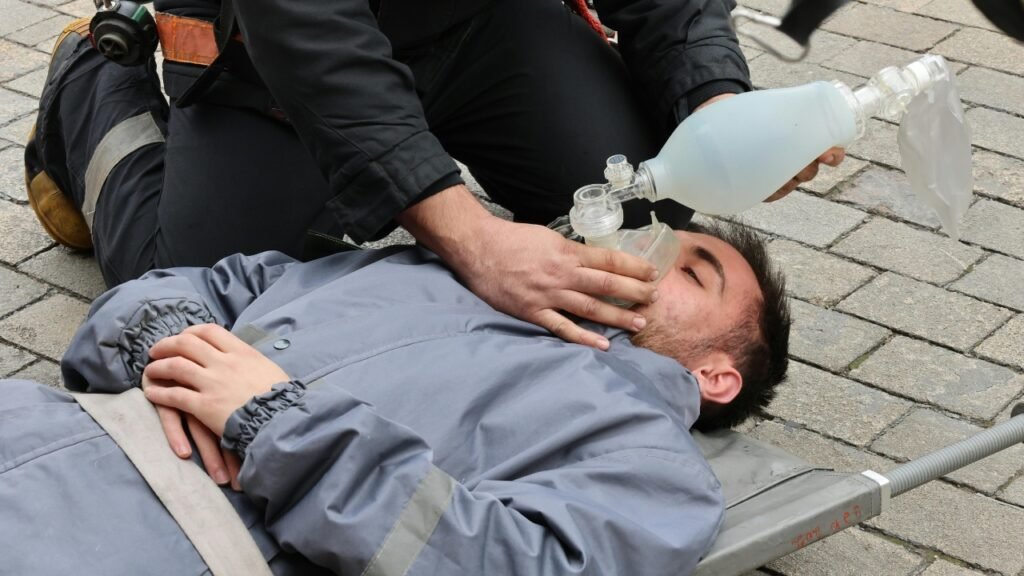
Emergencies can be overwhelming, and when they happen, it’s natural to feel anxious, fearful, or uncertain. However, how you respond in these critical moments can have a significant impact on the outcome. Staying calm and confident can help you make better decisions, act swiftly, and provide vital support to those in need. In this post, we’ll discuss practical tips on how to maintain your composure during an emergency and how it can save lives.
1. Take a Deep Breath and Focus
The first step in staying calm during an emergency is to breathe. Taking a few deep breaths helps slow your heart rate and clears your mind. This simple action can calm your nervous system and prevent you from making rash decisions. Focusing on the task at hand, rather than the chaos around you, allows you to assess the situation more clearly and act with purpose.
Key Tip: Focus on your breathing—inhale slowly for four seconds, hold for four seconds, and exhale for four seconds. Repeat this a few times to regain focus.
2. Stay Aware of Your Surroundings
Panicking often leads to tunnel vision, where you focus too much on one aspect of the emergency and miss other critical details. Staying aware of your surroundings can help you react more effectively. Identify hazards, potential sources of help, and escape routes if necessary. Knowing what’s going on around you allows you to make more informed decisions.
Key Tip: Quickly assess the environment for any immediate dangers (e.g., fire, traffic, unstable structures) and avoid rushing into risky situations without thinking.
3. Prioritize Actions Based on Severity
In an emergency, not all situations need immediate attention. By prioritizing actions based on severity, you can focus on what’s most important first. For example, if someone is bleeding heavily, controlling the bleeding should be your first priority. If someone is unconscious but breathing, check their airway and breathing first. Identifying the most critical actions helps avoid feeling overwhelmed.
Key Tip: Use the “ABCs” of first aid (Airway, Breathing, Circulation) to prioritize actions. Always address the most life-threatening issues first.
4. Delegate Tasks When Possible
If there are other people around who can assist, don’t hesitate to delegate tasks. Whether it’s calling emergency services, providing comfort to the injured person, or gathering medical supplies, having help can ease the burden and allow you to focus on the most urgent needs. Delegating tasks not only lightens your load but also fosters a collaborative response to the emergency.
Key Tip: Assign specific roles to people—someone to call for help, someone to assist with CPR, someone to gather supplies. This helps create an organized response.
5. Keep Communication Clear and Simple
During an emergency, clear communication is essential. If you’re with someone who needs assistance, calmly explain what you’re doing and reassure them that help is on the way. When calling emergency services, give them clear and concise information about the situation, location, and any relevant details. Avoid overwhelming the dispatcher with too much information, and focus on the most vital facts.
Key Tip: Speak clearly, give direct instructions, and keep your communication simple and to the point, especially if you’re speaking with emergency responders.
6. Trust Your Training and Knowledge
The more prepared you are, the more confident you’ll feel in an emergency. First aid training equips you with the necessary knowledge and skills to handle various situations. When you’ve learned what to do in different emergencies—whether it’s performing CPR, controlling bleeding, or dealing with a burn—you can trust yourself to act confidently. Recalling your training can help you stay focused and make decisions quickly without second-guessing yourself.
Key Tip: If you’ve taken first aid and CPR courses, trust your instincts. Training gives you the confidence to take action effectively when every second counts.
The Importance of Staying Calm
Remaining calm during an emergency doesn’t just help you— it also sets the tone for others. If you’re calm, the people around you are more likely to feel reassured and follow your lead. Your actions and attitude can have a profound effect on the outcome, whether you’re providing first aid, calling for help, or guiding others to safety.
Get Prepared with SafeHands First Aid Academy
At SafeHands First Aid Academy, we offer practical, hands-on training to help you gain the confidence and skills needed to stay calm and act decisively in emergencies. Our courses cover CPR, first aid, and other life-saving skills that empower you to make a difference when it matters most.
Book your course today and learn how to stay calm, stay confident, and save lives.
By staying calm and focused, you can handle emergencies effectively and make a lasting impact. Let your training and preparedness guide your actions in times of crisis.