Top 5 Life-Saving First Aid Skills Everyone Should Know
Emergencies can happen when we least expect them. Whether it’s a sudden injury, a medical condition, or an accident, knowing how to respond quickly and effectively can make all the difference in saving a life. First aid training provides the essential skills to handle a wide range of emergency situations, and in this post, we’ll highlight the top five life-saving first aid skills everyone should know.
1. Cardiopulmonary Resuscitation (CPR)
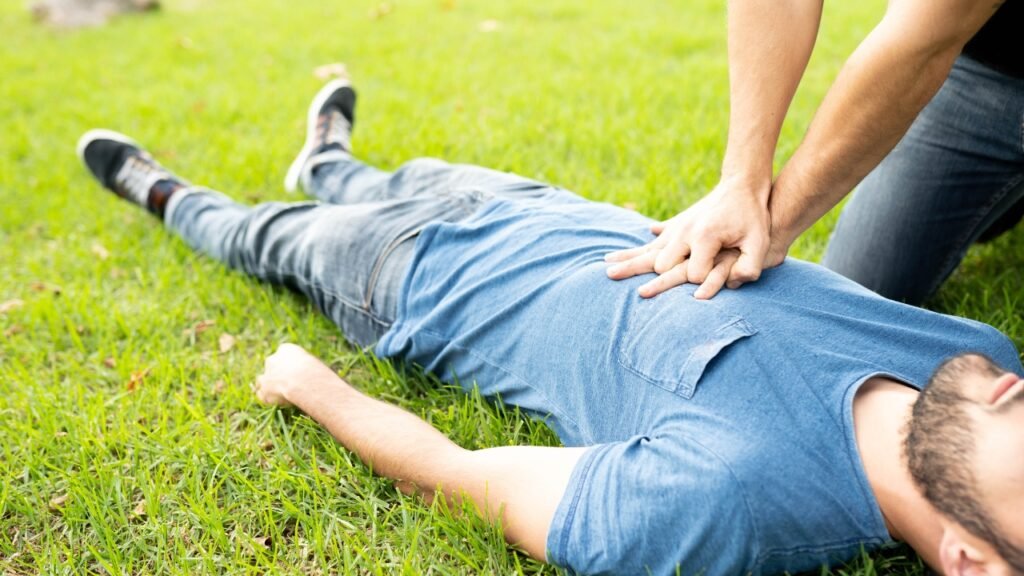
CPR is one of the most critical life-saving skills, especially in cases of cardiac arrest. It involves chest compressions and rescue breaths to keep oxygen circulating to vital organs until professional help arrives. Early CPR can significantly improve the chances of survival, and learning it is essential for everyone. CPR is simple to learn, and with regular practice, it’s a skill that could save a life in an emergency.
Key Tip: Always aim for a compression depth of at least 5cm for adults, and don’t stop until help arrives or the person starts breathing.
2. Choking First Aid
Choking can occur suddenly and without warning, especially when eating or drinking. It’s crucial to know the right way to assist someone who is choking. The Heimlich maneuver (abdominal thrusts) is commonly used for adults and children over the age of one. For infants, back blows combined with chest compressions are the recommended technique.
Key Tip: Always encourage people to chew their food carefully, and avoid distractions while eating to reduce the risk of choking.
3. Wound Care and Bleeding Control
When someone is bleeding heavily from a wound, immediate action is needed to prevent shock or further complications. Apply pressure to the wound with a clean cloth or bandage to control bleeding. Elevate the injured area, if possible, to reduce blood flow to the injury. For severe bleeding, a tourniquet may be necessary.
Key Tip: Keep the person calm and reassure them while waiting for medical assistance, as stress can increase blood pressure and worsen bleeding.
4. Dealing with Burns
Burns, whether from fire, hot liquids, or chemicals, can cause severe pain and long-term damage. The first step in treating a burn is to cool the area with running cold water for at least 20 minutes. After cooling, cover the burn with a sterile dressing and avoid popping any blisters.
Key Tip: Never apply ice, butter, or oil to a burn, as these can worsen the injury.
5. Treating Shock
Shock can result from serious injury, blood loss, or a severe allergic reaction, and it can quickly become life-threatening. Signs of shock include pale skin, rapid breathing, and weakness. Lay the person down, elevate their legs (if possible), and keep them warm with a blanket. Encourage them to stay calm, and seek medical help immediately.
Key Tip: Don’t give the person food or drink, as this could make the situation worse if they need surgery or medical intervention.
Why These Skills Matter
Knowing these life-saving first aid skills can make a significant difference in emergency situations. They can help stabilize the person until professional help arrives, and sometimes, they can be the difference between life and death. First aid training provides you with the confidence to act quickly and correctly when faced with an emergency.
Ready to Learn?
If you’re interested in learning more about first aid and CPR, consider signing up for a certified course with SafeHands First Aid Academy. We offer hands-on training led by experienced instructors, giving you the skills and knowledge to respond confidently in an emergency.
Stay prepared, stay safe, and remember that first aid skills are not just for emergencies—they are life skills that can help you make a real difference.